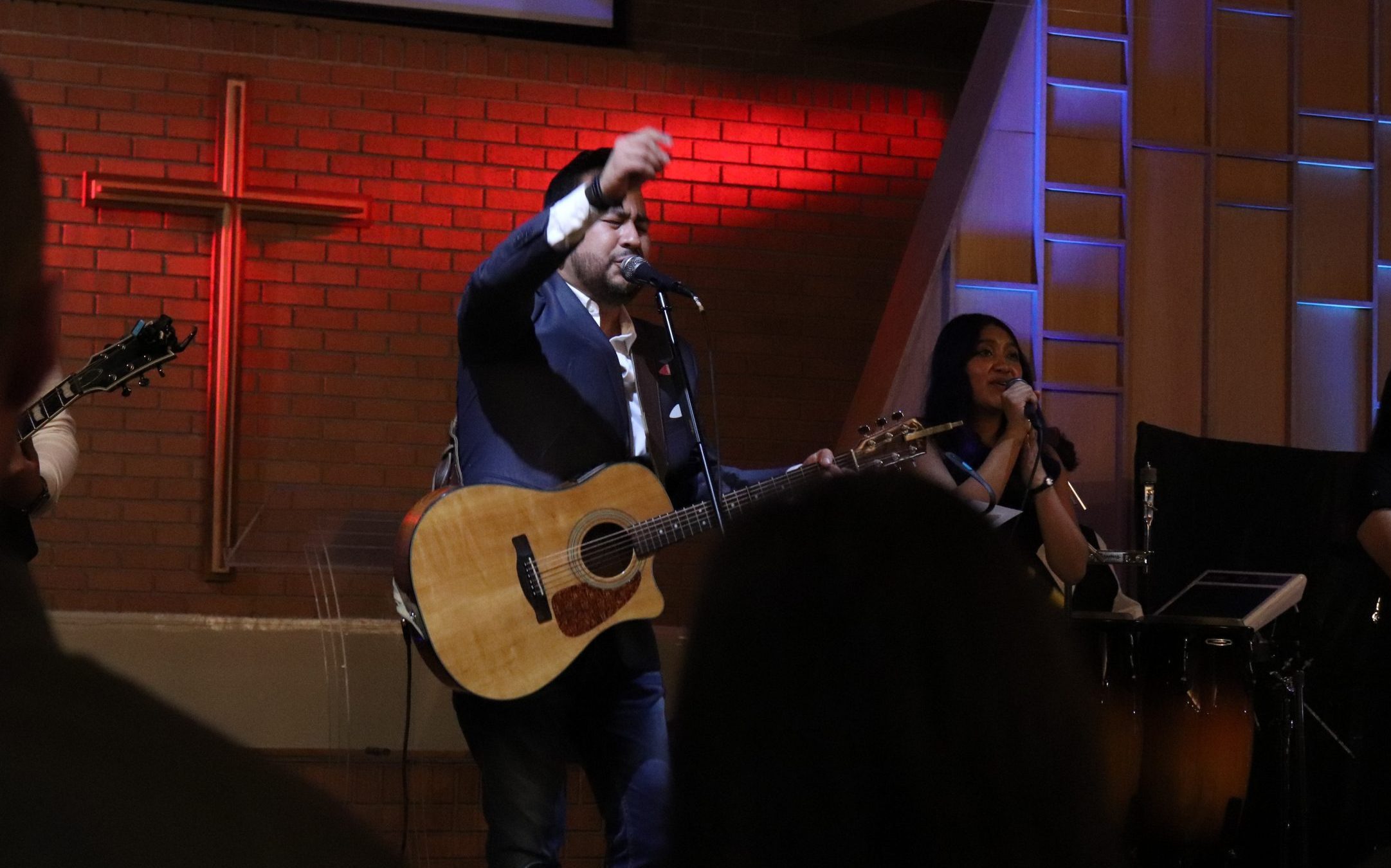
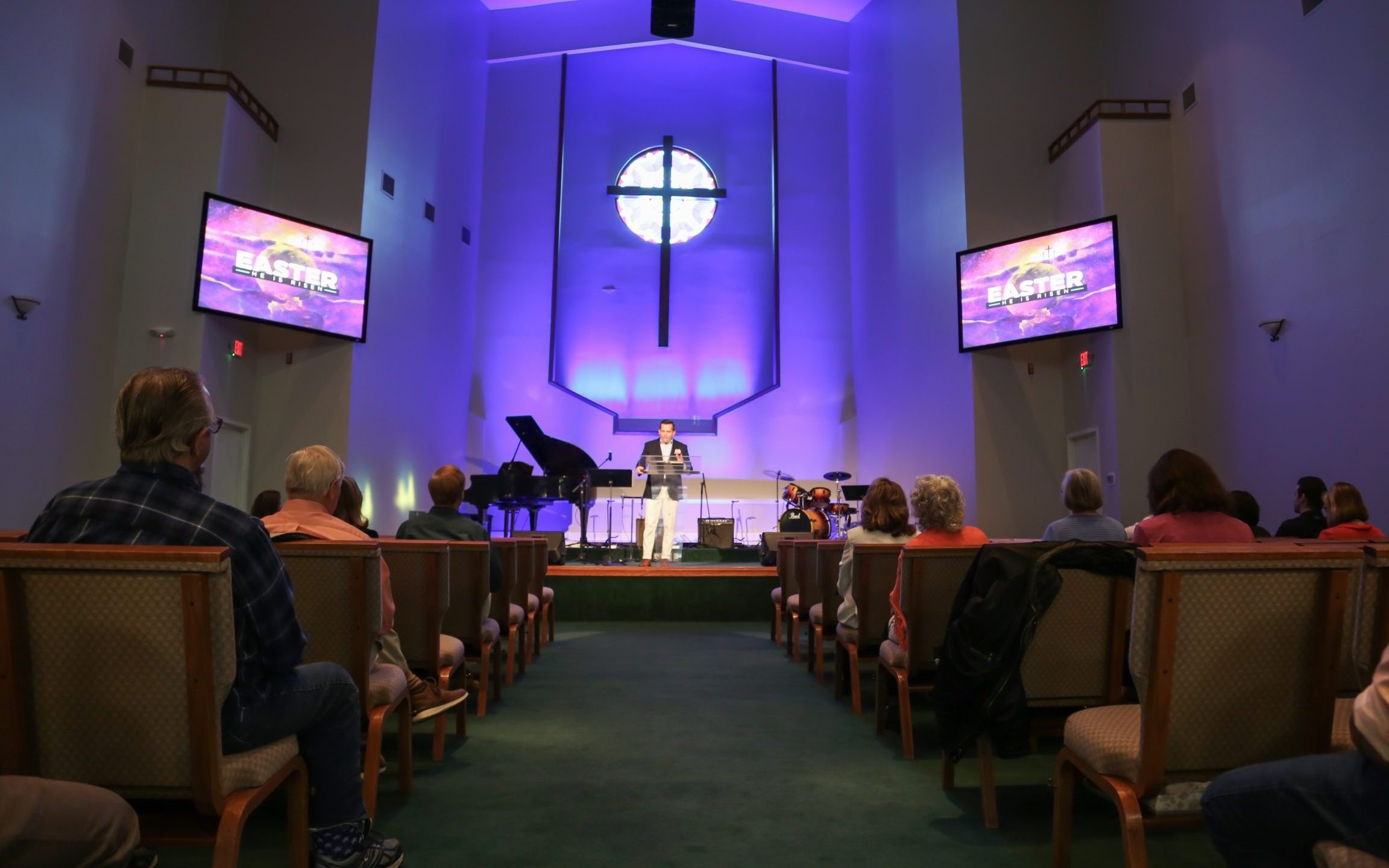
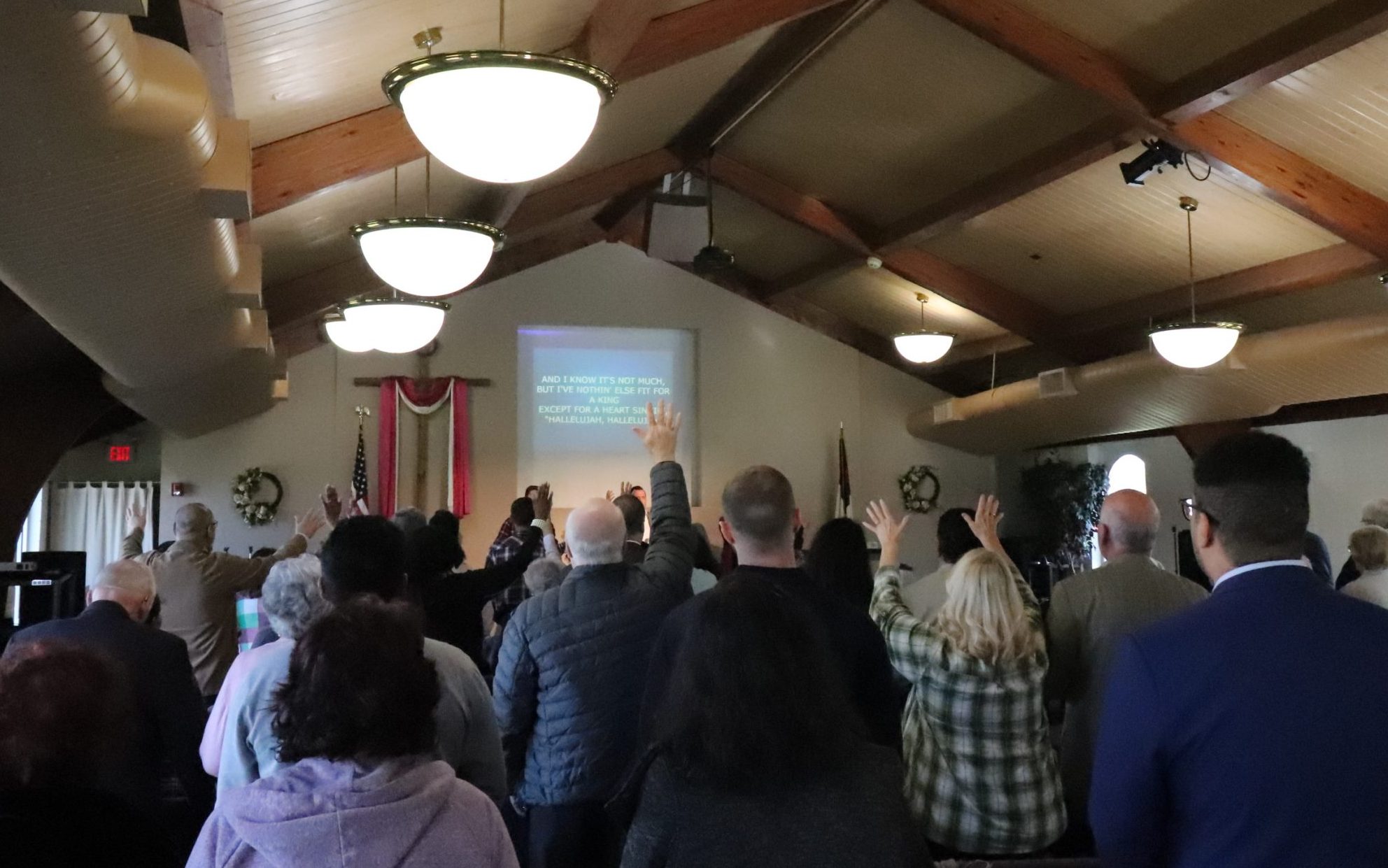
Sunday Service - The Word of God preached by Vernon C. Lyons based on Psalm 127:1-5
Sunday Service - The Word of God preached by Vernon C. Lyons based on Esther 4:1-14
Charles Haddon Spurgeon Morning and Evening Meditations.
Spurgeon, the great Victorian preacher, was a leading campaigner against Liberal Theology and one of the most influential people of the 2nd half of the 19th Century. He is known as the 'Prince of Preachers'. His sermons drew thousands to his church. Yet, at the heart of his desire to preach was a fierce love of people, a desire that meant that he did not neglect his pastoral ministry. Charles Haddon Spurgeon served for thirty years as preacher and pastor of London's six-thousand-seat Metropolitan Tabernacle, which his growing congregation opened in 1861. His writings, including thousands of sermons, are still popular with pastors and devotional readers who, like him, treasure the gospel of God's grace. Though Spurgeon published thousands of sermons and many books, Morning and Evening remains by far his most popular work.
Charles Spurgeon's uplifting messages for each day of the year will comfort and refresh you in your walk with God. Spending time with God at the start and close of each day will bring a new joy in your life.
Morning of Saturday, May 19th
I have seen servants upon horses, and princes walking as servants upon the earth.
Ecclesiastes 10:7
UPSTARTS frequently usurp the highest places, while the truly great pine in obscurity. This is a riddle in providence whose solution will one day gladden the hearts of the upright; but it is so common a fact, that none of us should murmur if it should fall to our own lot. When our Lord was upon earth, although He is the Prince of the kings of the earth, yet He walked the footpath of weariness and service as the Servant of servants: what wonder is it if His followers, who are princes of the blood, should also be looked down upon as inferior and contemptible persons? The world is upside down, and therefore, the first are last and the last first. See how the servile sons of Satan lord it in the earth! What a high horse they ride! How they lift up their horn on high! Haman is in the court, while Mordecai sits in the gate; David wanders on the mountains, while Saul reigns in state; Elijah is complaining in the cave while Jezebel is boasting in the palace; yet who would wish to take the places of the proud rebels? and who, on the other hand, might not envy the despised saints? When the wheel turns, those who are lowest rise, and the highest sink. Patience, then, believer, eternity will right the wrongs of time. Let us not fall into the error of letting our passions and carnal appetites ride in triumph, while our nobler powers walk in the dust. Grace must reign as a prince, and make the members of the body instruments of righteousness. The Holy Spirit loves order, and He therefore sets our powers and faculties in due rank and place, giving the highest room to those spiritual faculties which link us with the great King; let us not disturb the divine arrangement, but ask for grace that we may keep under our body and bring it into subjection. We were not new created to allow our passions to rule over us, but that we, as kings, may reign in Christ Jesus over the triple kingdom of spirit, soul, and body, to the glory of God the Father.
Evening of Saturday, May 19th
And he requested for himself that he might die.
1 Kings 19:4
IT was a remarkable thing that the man who was never to die, for whom God had ordained an infinitely better lot, the man who should be carried to heaven in a chariot of fire, and be translated, that he should not see death—should thus pray, Let me die, I am no better than my fathers. We have here a memorable proof that God does not always answer prayer in kind, though He always does in effect. He gave Elias something better than that which he asked for, and thus really heard and answered him. Strange was it that the lion-hearted Elijah should be so depressed by Jezebel's threat as to ask to die, and blessedly kind was it on the part of our heavenly Father that He did not take His desponding servant at his word. There is a limit to the doctrine of the prayer of faith. We are not to expect that God will give us everything we choose to ask for. We know that we sometimes ask, and do not receive, because we ask amiss. If we ask for that which is not promised—if we run counter to the spirit which the Lord would have us cultivate—if we ask contrary to His will, or to the decrees of His providence—if we ask merely for the gratification of our own ease, and without an eye to His glory, we must not expect that we shall receive. Yet, when we ask in faith, nothing doubting, if we receive not the precise thing asked for, we shall receive an equivalent, and more than an equivalent, for it. As one remarks, If the Lord does not pay in silver, He will in gold; and if He does not pay in gold, He will in diamonds. If He does not give you precisely what you ask for, He will give you that which is tantamount to it, and that which you will greatly rejoice to receive in lieu thereof. Be then, dear reader, much in prayer, and make this evening a season of earnest intercession, but take heed what you ask.